Reading roulette results history without the guesswork
Most players treat past numbers as a map when they are only a record. I have spent years watching operators tune data feeds for racing and sportsbook desks, and the same discipline applies here: results history tells you what has already happened, not what the wheel owes you next spin. If you want to use that information sensibly, you need a platform that keeps the ledger clear, the lobby organised, and the terms honest. fair go login access gives you a straight path into a lobby where historical results sit beside live tables and a sensible game mix, which makes the whole exercise less about chasing patterns and more about reading the room.
What the ledger actually shows
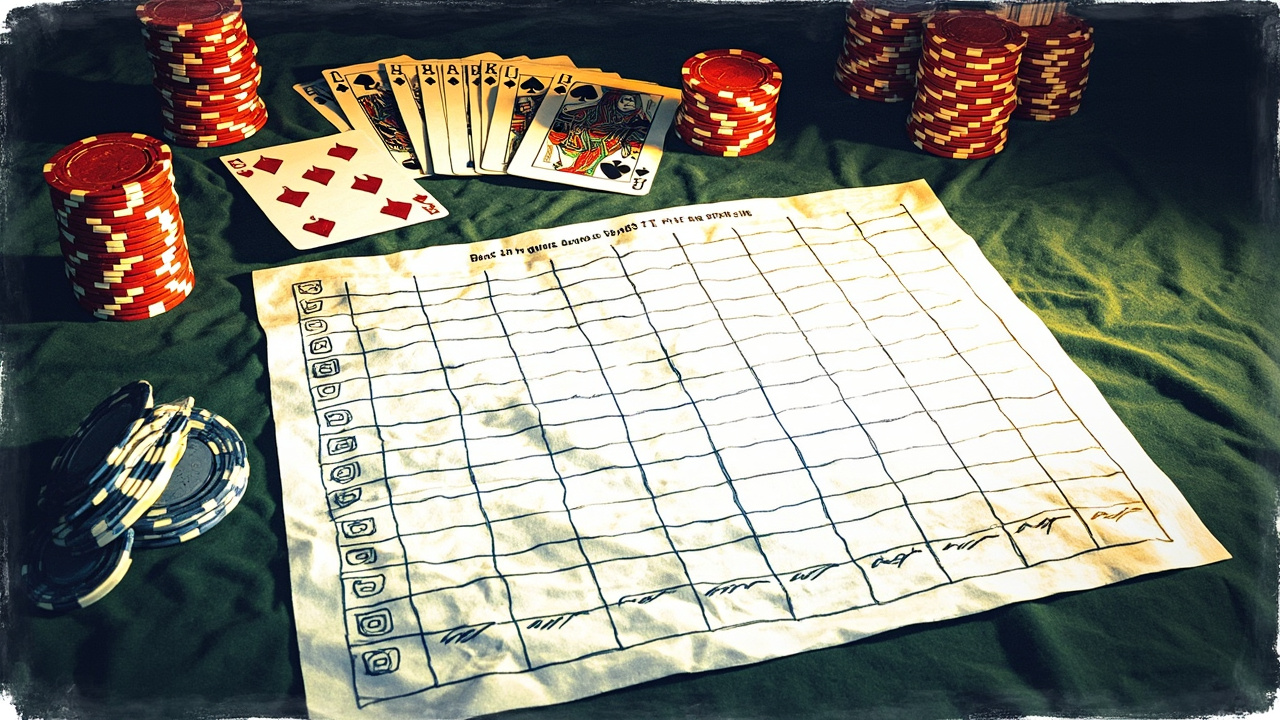
Results history on a well-built roulette lobby is basically a timestamped record of outcomes, usually broken by table, variant, and session. The useful part is not the sequence of red and black or the individual numbers; it is the context around them. A decent platform separates single-zero European tables from double-zero American ones, shows the wheel type, and keeps the spin log visible without burying it under promotions. That matters because mixing variants in one feed is like combining handicap and head-to-head data in a sportsbook panel – you end up comparing things that were never playing under the same rules. When the lobby keeps European and French wheels distinct from the American layout, you can actually see whether a table’s recent run is a short cluster or just the natural spread you would expect from a single-zero game. The best lobbies also let you filter by table rather than dumping every spin into one long strip, which is how a racing data feed keeps form lines separate instead of merging every runner into one muddy list.
How to read the log without chasing ghosts
A short guide for beginners
If you are new to this, start by picking one table type and sticking with it for a session. Open the results history, note the wheel variant, and watch how many spins the log holds before it trims or refreshes. Look for the table’s pacing rather than any number that feels “due”. A beginner’s trick is to count how often the log shows a run of the same colour or a cluster of low numbers, then compare that to your own expectation of a fair single-zero wheel. You are not hunting a pattern; you are learning whether the table feels busy, whether the live dealer keeps a steady rhythm, and whether the lobby’s search and filter tools let you find the same table again without digging through a cluttered list. That is the practical habit that keeps the exercise grounded. fair go login access
What to ignore and what to keep
Ignore any sequence that tempts you to raise a stake because a number has not appeared for a while. The wheel has no memory, and the log is only a record of independent outcomes, not a ledger of debts. Keep an eye on the table identity instead: the variant, the dealer pace, and whether the lobby tags the game as live or digital. I have seen operations teams in the UK and Europe build dashboards that surface exactly this kind of context – variant, session length, table load – because it helps staff answer player questions without guessing. The same logic works for a player reading results history: focus on the table you are actually sitting at, not a blended feed that mixes American and European spins. If the lobby makes it easy to return to the same table and keeps the log legible, you can use history as a reference point rather than a signal.
Matching the log to how you actually play
The reason results history matters at all is that it should line up with how you choose a table and how the lobby presents it. A platform that organises its game mix by variant, provider, and live versus digital tables makes it easier to keep your reading consistent. If the lobby groups single-zero tables together and labels the wheel type clearly, you can compare a session’s log to the right baseline instead of mixing it with a different game. Payment clarity matters here too, because a clean ledger is only useful if the table you read it on is the one you actually played on – same currency, same limits, same registration details. When support and loyalty features sit close to the table view, you can check a result, confirm the variant, and move on without losing the thread. That is the kind of setup that turns a raw spin log into something useful, rather than a screen that looks busy but tells you very little. Ap-zko

Reading roulette results history is really about discipline and context. The log is a record, not a forecast, and the value comes from a lobby that keeps variants separate, labels tables clearly, and lets you find the same game again without fuss. Treat the history as a reference point, keep your stakes within what you can afford, and let the table’s actual pace guide your session rather than any number that feels overdue.