Blackjack No Double After Split: A Player’s Decision Guide
Blackjack basic strategy no double after split is a precise decision inside a much larger wagering choice: what to do when your first two cards create a split opportunity. The rule can improve the long-term maths, but it does not justify doubling every inconvenient hand. Australian players should also weigh table rules, deck handling, promotional value and game-specific exceptions before committing. Reckon the right question is not “Can I split?” but “Does this split offer enough value to justify the extra stake?”
The Decision Behind No Double After Split
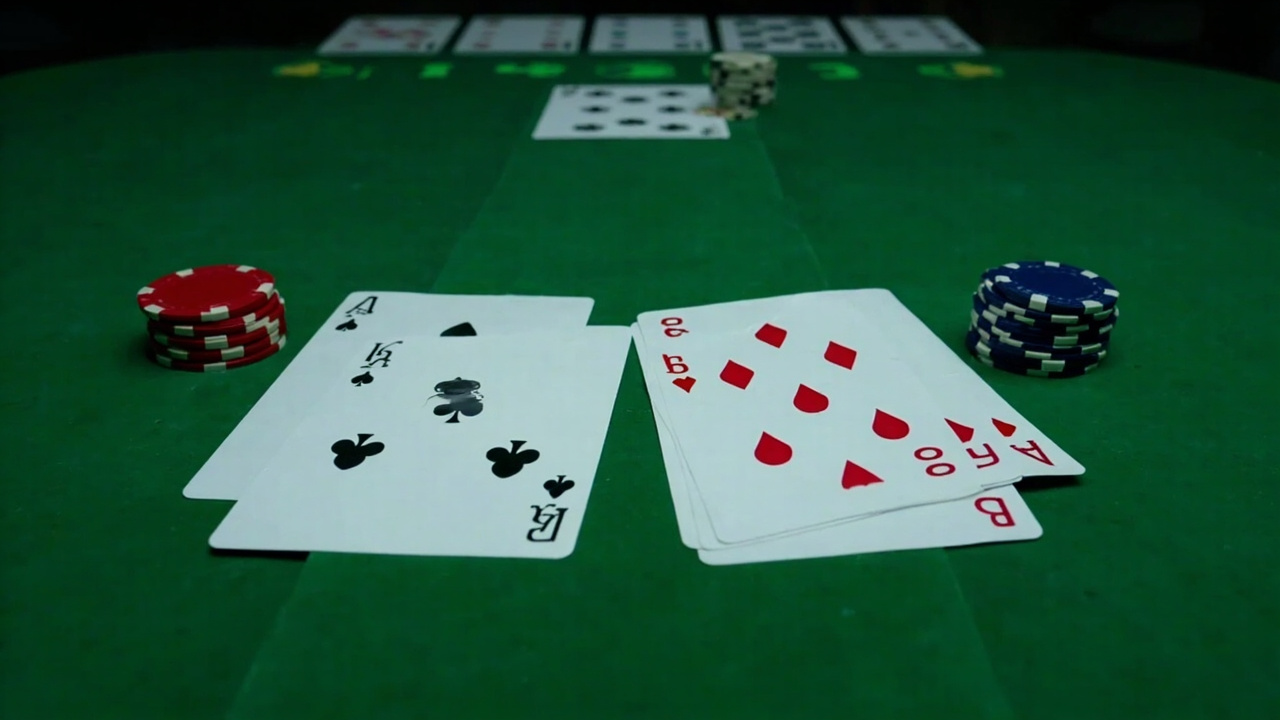
Blackjack basic strategy no double after split applies after you have split a pair and receive another card to each hand. Under the common S17 rule, players may not double again on either new hand. With H17, where a dealer must draw to a soft 17, basic strategy permits doubling an ace and 2, ace and 3, or 2 and 3 after splitting. This distinction matters because the extra dealer bust gives the player more opportunities to improve.
The central decision is simple: never double merely because your first split hand looks strong. You need the combined value of your two original cards, the dealer’s upcard and the table’s doubling rules to determine the correct move. For example, 2 and 2 against a 6 is normally a split, followed by a double against a dealer 2 or 3. That is not a contradiction; it is a sequence of mathematically linked decisions.
Hannah Anderson, Strategy Director at Swan River Interactive, cautions that “No double after split is a table-rule constraint, not a universal instruction to avoid every second double.” Her judgement is sound: strategy charts must match the exact rules in play. After twenty-five years in gaming and three decades across creative industries, I treat rule differences as design decisions rather than footnotes. A polished game label cannot compensate for a misunderstood rule, and the same applies to promotional terms.
For Australian adults considering a new platform, https://wolf-treasure-free-spins-au.com/ provides a useful starting point for checking offer details, but the wagering terms and blackjack rules should be read before depositing. No offshore service is licensed or regulated merely by being marketed to Australian players, so verification, legal availability and withdrawal terms need individual assessment.
Choosing the Correct Split and Double
Check the table rules first
Your strategy depends on three conditions: whether the dealer stands or hits on soft 17, whether doubling is allowed after splitting, and whether a split ace may receive a second card. A 6,5 table differs materially from a dealer hitting soft 17, even before considering your own cards. The no-double-after-split rule restricts one profitable possibility, but the upcard still determines whether splitting is worthwhile.
In the United States, most Las Vegas-style casinos offer generous double-after-split conditions, while European and United Kingdom tables often impose more restrictions. Down Under, we generally tackle blackjack through explicit table-rule displays and game rules, rather than assuming every international table follows the same setup. That is the sensible approach: the local rulebook should clarify the maths, not rely on overseas habits.
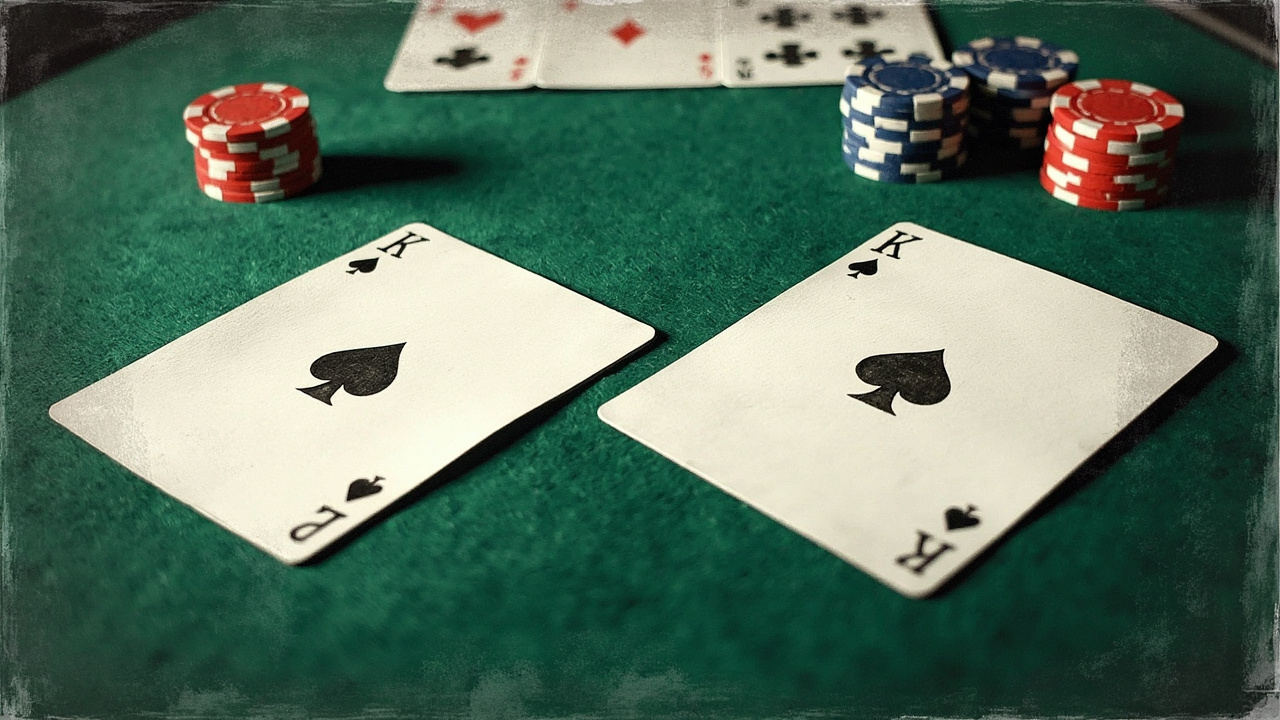
A useful decision sequence is:
- Confirm whether the dealer stands or hits on 17.
- Check whether doubling after a split is prohibited.
- Identify whether split aces may be doubled.
- Compare the dealer’s upcard with standard strategy charts.
- Apply insurance and surrender rules separately.
Do not confuse this with surrender or insurance. “No double after split” does not remove those independent decisions, and insurance remains a poor wager in most circumstances.
Match the hand to the chart
The strongest splits depend on the pair and the dealer’s upcard. Splitting eights or aces is normally sound, while splitting two tens, fives or sixes generally is not. Tens should be left alone; fives and sixes are often better treated as one strong hand and doubled where the upcard permits it.
The no-double-after-split restriction becomes most relevant with small pairs. With 2,2 against a dealer 7, the basic move is generally to split and then draw. Against a dealer 2 or 3, doubling a split 2,2 can be correct under H17. Against a 4 through 6, strategy may call for another split rather than a double, with the dealer’s upcard keeping the original pair as a live hand.
The dealer’s upcard is the anchor for every decision. A strong dealer card reduces the value of splitting low pairs, while a weak 2, 3 or 6 creates more opportunities to build a competitive hand. Always use a chart for the actual table rules rather than memorising isolated exceptions.
Separate strategy from continuous shuffling
Continuous shuffling machines reshuffle cards constantly, making counting nearly useless. They can also compress the frequency of favourable deck sequences that a counter would otherwise exploit. In practical terms, the basic-strategy percentage remains largely intact, but the influence of non-basic decisions can shrink.
Casinos may also “shuffle up” early to disrupt a counter’s advantage. Neither measure changes the need to follow the chart; they change what advanced approaches can achieve. For most recreational Australian players, applying correct decisions consistently is more valuable than attempting to read a shoe that is not there.
Understand table and casino conditions
A mathematically sound move can still be a poor casino proposition if the table limit, game variant or promotional conditions alter the reward. A game called blackjack may use a single-deck or multi-deck format, expose different dealer rules and offer distinct side bets. Compare those details before treating one table as representative of every blackjack game online.
At busy times on the Gold Coast, land-based tables may impose different bet spreads from quieter sessions. The legal gaming floor gives you access to published rules, table minimums and player behaviour, but it does not remove variance. Set a session limit, leave the table when your bankroll reaches it, and treat any promotional incentive as entertainment value rather than guaranteed profit.
Whether the Game Suits Your Play
No double after split is most useful for players who enjoy a consistent decision process. It suits someone willing to check the rule panel, follow a strategy chart and accept that correct play still loses more often than it wins. It is less suitable if you expect every split to become a double, want unlimited re-splits or believe a new bonus can compensate for incorrect decisions.
The broader game choice also matters. Single-deck blackjack with restricted doubling and resplitting can still reward disciplined basic strategy. A multi-deck game with dealer hits on soft 17 and no double after split will produce different results. Side bets such as blackjack pairs or 21+ should be assessed independently because their rules and mathematics differ from the main wager.
For players evaluating an operator, recurring value deserves more attention than a one-time welcome offer. Look for weekly cashback, blackjack-specific tournaments, loyalty tiers and reward points that reward repeat play. In this invented blackjack framework, deposits and withdrawals are handled in Australian dollars, the cashier supports cards, bank transfer and e-wallet options, and live chat is available daily from 8 am to 2 am AEST. New registrations require a mobile number, email verification and a government-issued identity document; none of these steps should be bypassed.
Mobile blackjack includes touch-friendly betting controls and a compact strategy reference, while desktop tables support adjustable stakes from A$2 to A$200. Loyalty rewards are credited after qualifying blackjack hands, with one loyalty point per A$10 wagered. These are game-design details, not promises: no blackjack product can guarantee a return or turn the house edge into player ownership of the edge.
Make the Rule Work for You
Blackjack basic strategy no double after split is valuable when it is used as part of a complete decision framework. Confirm the dealer rule, identify the permitted doubling conditions, read the upcard and follow the chart for that exact table. Then judge the session by your limits and entertainment budget – not by whether one split wins.
For Australian players, ongoing value should reinforce sound play rather than replace it. Recurring cashback, tournaments and loyalty benefits can provide reasons to return, while clear rule panels reduce costly misunderstandings. If you want a deeper comparison of related decisions, this Blackjack Double Exposure Strategy explains how dealer-hole-card games alter traditional blackjack strategy. No worries, the disciplined approach remains the same: know the rules, size the wager and keep the session under control.